Waste Management

ADVERTISEMENT

The Truth About Bioplastics: Are They Really Better for the Environment?

In recent years, the surge in plastic pollution has ignited a global conversation about sustainable alternatives to conventional plastics. Amid this discourse, bioplastics have emerged as a potential solution, touted for their ability to reduce environmental impact and reliance on fossil fuels.

Urban Mining: Recovering Gold, Silver, and Rare Metals from Discarded Electronics

In the modern world, our dependence on electronic devices is immeasurable. From smartphones and laptops to household appliances and industrial machinery, technology is deeply woven into the fabric of our daily lives.

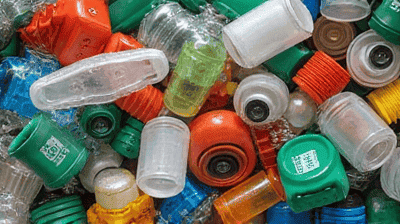
Chemical Recycling vs. Mechanical Recycling: Which is the Future of Plastic Waste?

Plastic waste has become one of the most pressing environmental issues of our time. With billions of tons of plastic produced each year and only a fraction of it being recycled, the consequences of plastic pollution are dire.

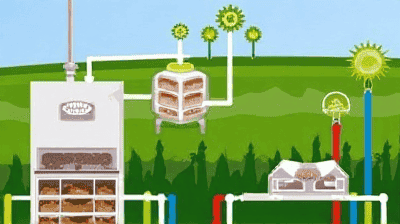
The Science Behind Composting: How to Turn Food Scraps into Nutrient-Rich Soil

In recent years, composting has gained popularity among environmentally conscious individuals and urban gardeners alike. This natural process transforms food scraps and yard waste into nutrient-rich soil, offering a sustainable solution to organic waste disposal and promoting healthy plant growth.

Microplastics in the Ocean: How Wastewater Treatment Can Help Filter Them Out

Microplastics, tiny plastic particles less than five millimeters in diameter, have emerged as one of the most challenging environmental pollutants of our time. These particles originate from various sources, including the degradation of larger plastic debris, microbeads found in personal care products, and synthetic fibers that shed from clothing during washing.
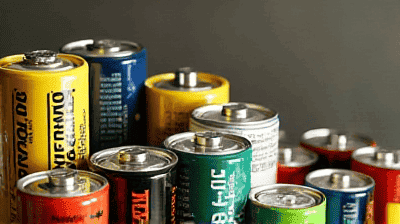
Industrial Hazardous Waste: Regulations and Best Practices for Safe Handling

Industrial hazardous waste poses a significant environmental and health risk. Defined as any waste generated during manufacturing processes that can be harmful to human health or the environment, hazardous waste includes a wide array of materials such as chemicals, solvents, heavy metals, and other toxic substances.

Mercury in E-Waste and Fluorescent Bulbs: Why Proper Disposal is Critical

The increasing reliance on technology in our daily lives has led to the generation of substantial amounts of electronic waste, or e-waste. This category of waste encompasses discarded electronic devices like smartphones, computers, televisions, and various other gadgets. Alongside e-waste, fluorescent bulbs—widely used for their energy efficiency—contain mercury, a toxic heavy metal that poses significant environmental and health risks when mishandled.

Plastic-Free Living: Practical Swaps for Reducing Household Plastic Waste

In an age where environmental awareness is crucial, the prevalence of plastic waste poses a significant threat to ecosystems, wildlife, and human health. Single-use plastics, in particular, have flooded our lives, contributing to pollution that is both visible and insidious.


Community-Based Recycling Programs That Are Changing Waste Management Locally

Recycling has become a cornerstone of sustainable waste management practices, essential for reducing landfill waste, conserving natural resources, and mitigating environmental harm. While government initiatives and large-scale recycling facilities play crucial roles, community-based recycling programs have emerged as powerful agents of change, effectively addressing local waste management challenges.

The Great Pacific Garbage Patch: Can Cleanup Efforts Make a Difference?

The Great Pacific Garbage Patch is one of the most notorious examples of marine pollution in the world today. Often described as a vast floating island of debris, it raises urgent questions about humanity's impact on the ocean and the effectiveness of cleanup efforts.
  • 1
  • 2
  • 3